E-Commerce
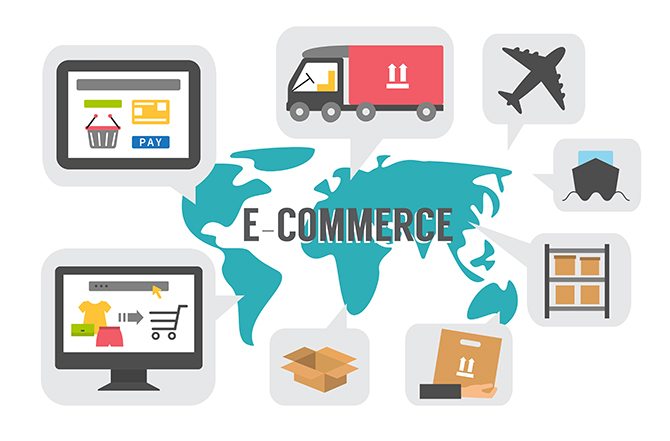
Describes what a company needs to know to take advantage of e-commerce in the local market and covers prominent B2B websites.
Overview
The majority of transactions are conducted in cash, except for large ones requiring a bank draft or pay order. Several studies suggest that up to 60 percent of the economy is informal, with the majority of local companies, particularly SMEs, undocumented and outside the tax net.
A number of government departments have started to offer services via the Internet. In the private sector, four Pakistani airlines now offer e-ticketing and almost all local banks offer online banking services. This segment of the economy is expected to grow steadily as there are approximately 100 million Internet subscribers in Pakistan, a figure that is expected to growth significantly over the next five years. As per local trade resources, Pakistan is the 46th largest market for eCommerce with a revenue of US$4.2 billion in 2021.
There are also more than 49.2 million Facebook users in Pakistan and several local companies now use social media to promote their products and services. According to the Pakistan Telecommunication Authority (PTA), the number of 3G and 4G users in Pakistan reached 111.38 million by end of February 2022, and the mobile banking sector shows promise.
Current Market Trends
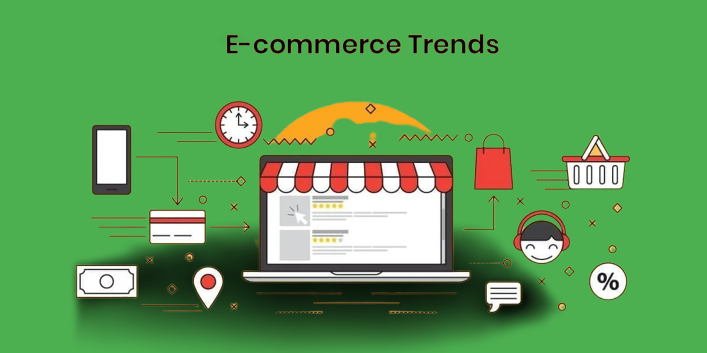
The e-commerce sector has focused mainly on consumer products and accessories. Online customers in Pakistan search for and purchase consumer electronics , make employment queries, receive online education and counseling services, sell/purchase and gather information on vehicles, computers, financial, food and grocessories, and countless other products and services. Consumer choices and the records they generate also produce a trove of data that is used in targetted advertising.
Online Payment
According to reports, 95 percent of e-companies recieve payments for their online orders via cash-on-delivery. This increases the liquidity requirements for e-commerce companies and also forces them to have dedicated teams that manage cash receipts for the company, thereby raising operational costs. The larger players in the e-commerce space have started to utilize digital payments, and are optimistic that the industry will come together to coax consumers into moving away from cash-on-delivery to online payments. Digital payments also represent a hurdle for Pakistan’s e-commerce sector. While a number of products like EasyPaisa, JazzCash, and uPaisa – which are mobile banks - are available today, none of them have high market penetration.
E-Commerce Business Plan
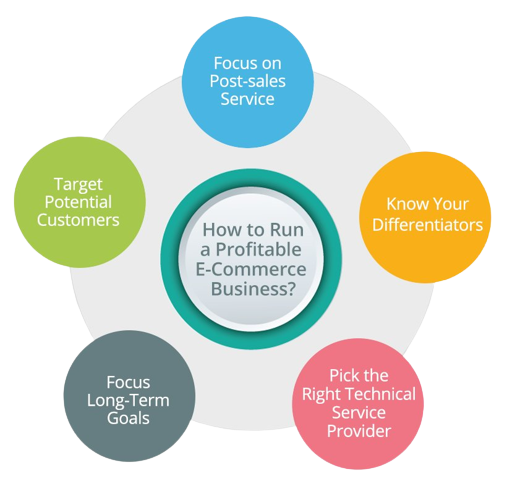
The business plan is the brainstorming process that ensures your concept and goals are realistic.This is more than just mental notes. True business plans take your ideas, questions, and concerns and put those in writing.As you start creating your business plan, you’ll soon understand that it’s more than a single piece of paper with handwritten details on it. It’s a clearly constructed format of how your business will be created, how it will operate, and what you hope the future holds in terms of a successful ecommerce business.
When you write your business plan, be sure to have a target audience in mind. Are you going to look for investors or put a kickstarter campaign into motion and use this as your descriptive platform? If so, make sure that your business plan contains everything the audience would want to know about your business (and more!). Many traditional funding solutions require a business plan in order to give you capital. However, there are alternative solutions such as Payability that specialize in eCommerce and don’t require credit checks, a business plan, or any complicated paperwork.
Social Media
The introduction of mobile broadband coupled with affordable smartphones has driven the social media use and the popularity of Facebook, Twitter, Skype, and Instagram. Facebook leads social media with more than three billion connections per day and more than 45 million user accounts in Pakistan. Twitter is also fast becoming the preferred social media portal with more than 280 million connections per day. Google, You Tube, and Instagram are also popular.